BACKPRODUCT DESIGN WORKS

Hello!

|

Fault Detection and Diagnostics Agent
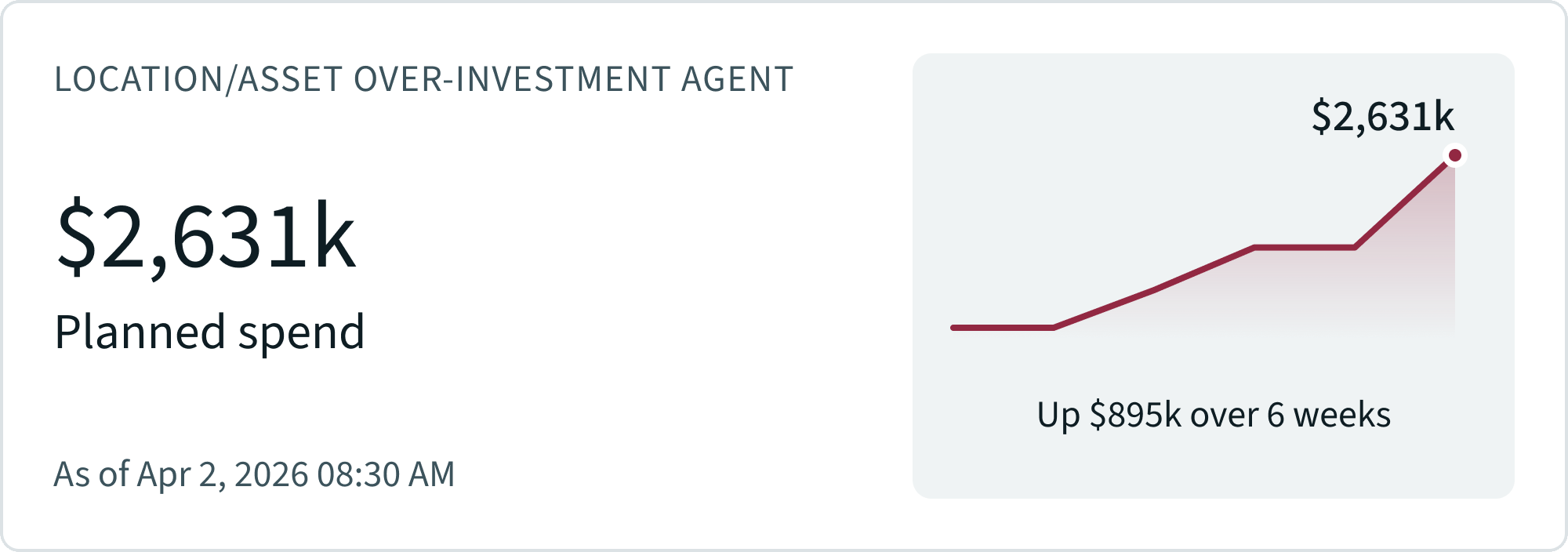
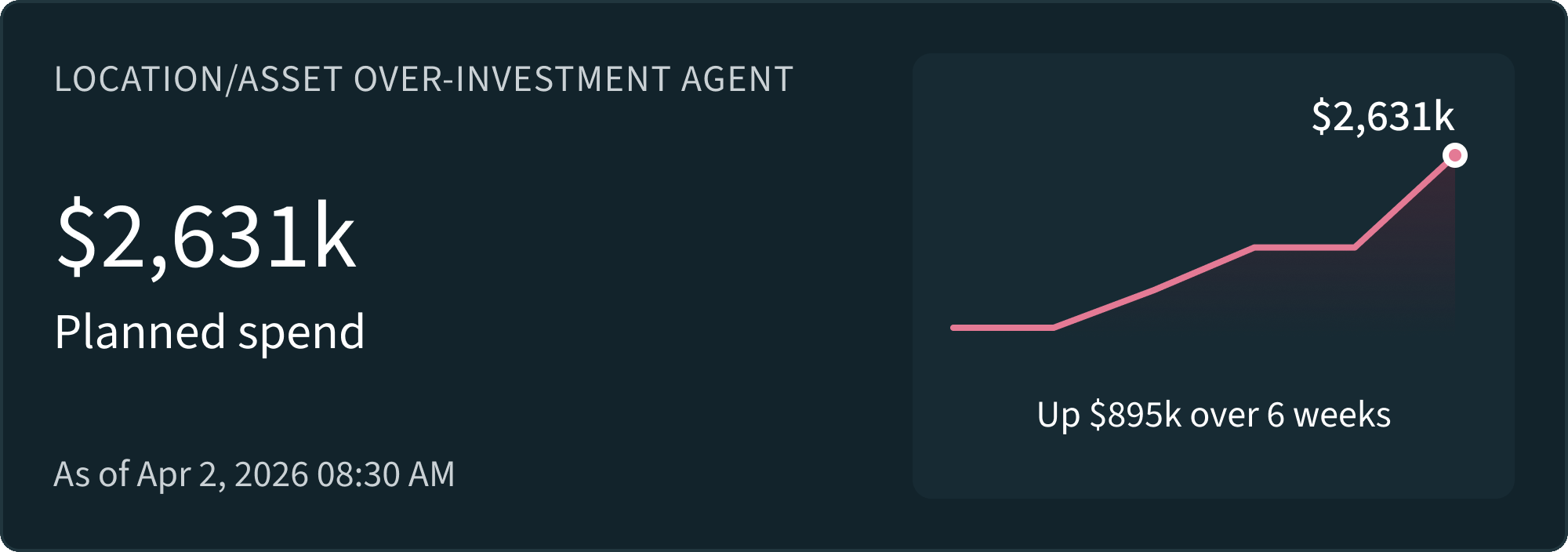
Location/asset Over-investment Agent
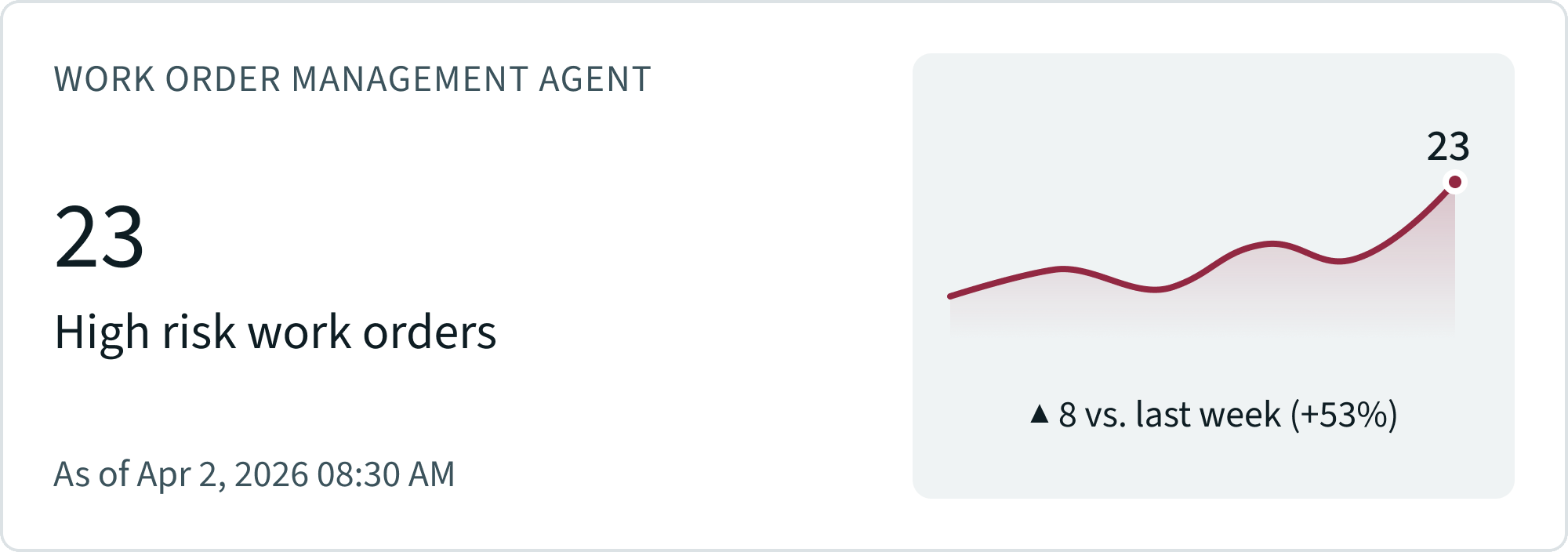
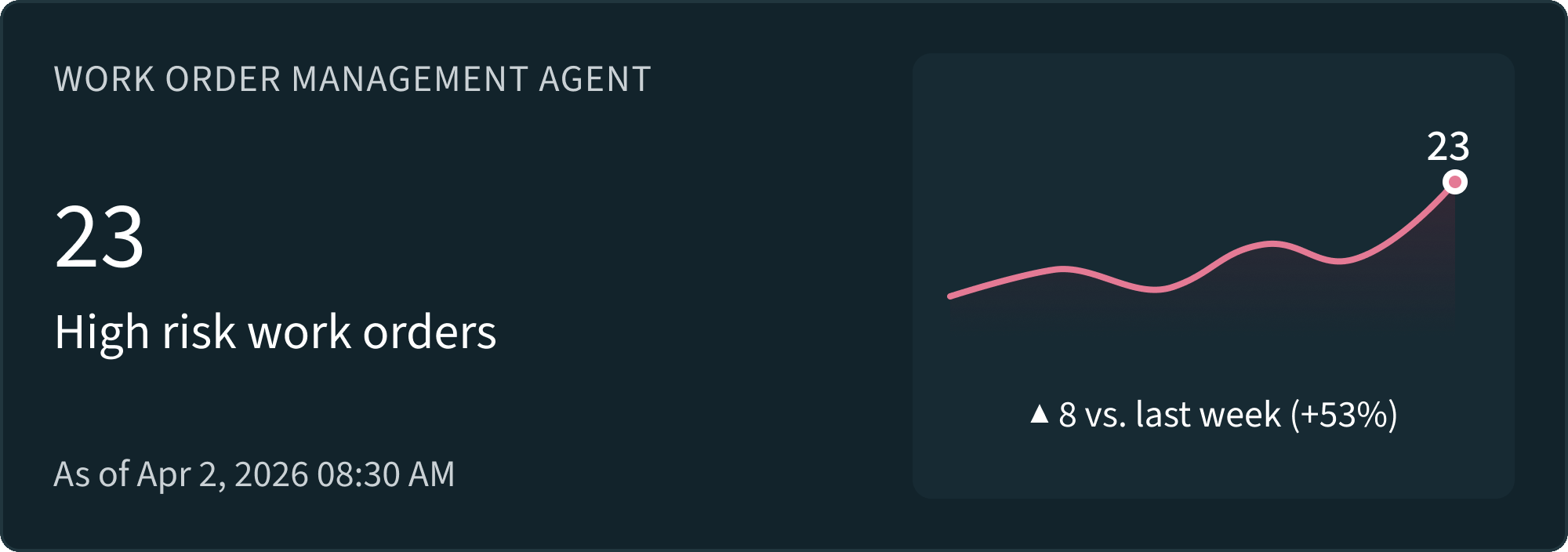
High risk work order management agent
Work Order Assignment and Cost Allocation Agent
Fault Detection and Diagnostics Agent (loop)
Location/asset Over-investment Agent (loop)
High risk work order management agent (loop)
Work Order Assignment and Cost Allocation Agent (loop)

AI Agents for Facility Operations

AI Product DesignEnterprise SoftwareFacility OperationsCode Prototyping

Designed a coordinated AI agent experience that helps facility teams prioritize risks, investigate issues, and act on operational recommendations with greater confidence.

Role

Product Design Lead

Product Name

JLL WorkplaceOS

Collaborated with

Product Management, Engineering, Facility Operations, and Data teams

Timeline

4 weeks (August 2026)

Deliverables

AI product strategy, agent framework, workflow design, production-code prototype, and trust patterns

Problem Statement

  • Facility teams had to monitor faults, high-risk work orders, assignments, costs, and potential over-investment across disconnected workflows.
  • Important signals competed for attention, leaving operators to manually determine what required action, why it mattered, and what to do next.

Context

  • The opportunity was not simply to add a chatbot. It was to create a coordinated set of agents that could turn complex building data into focused, role-relevant actions.
  • The design challenge was balancing automation with transparency, ensuring that users could understand and verify recommendations before acting on them.

Responsibilities & Contributions

  • Defined the agent framework: Structured four operational domains into specialized agents with clear responsibilities, triggers, and user outcomes.
  • Designed an action-first experience: Organized recommendations around urgency, context, and next steps so users could move from signal to decision without navigating multiple tools.
  • Established trust and control patterns: Made recommendations understandable by surfacing supporting evidence, system reasoning, and opportunities for user review.
  • Prototyped in the production codebase: Used Claude Code to build the interactive experience directly in the product environment, testing design decisions against real components and technical constraints while creating a shared artifact for Product and Engineering alignment.

Impact

4 specialized agents

Covered diagnostics, risk management, work allocation, and investment oversight.

1 prioritized action view

Brought cross-workflow recommendations into a single weekly experience.

4 operational workflows

Connected complex signals to clear next steps through a shared interaction model.

1 reusable AI pattern

Established a foundation for adding future agents without creating separate experiences.

Key Insights

  • AI becomes valuable when it reduces decision effort, not when it produces more information. Recommendations needed to connect evidence, urgency, and next steps in one flow.
  • Trust came from visibility and control. Users were more willing to act when they could understand why an agent made a recommendation and confirm its scope.

Critical Constraints

  • Building data quality and confidence varied by source, requiring the interface to communicate uncertainty without overwhelming users.
  • High-impact operational decisions required human review, clear accountability, and a path to investigate the underlying evidence.
View Full Case Study
Previous
Next