BACKEXPLORATIONS
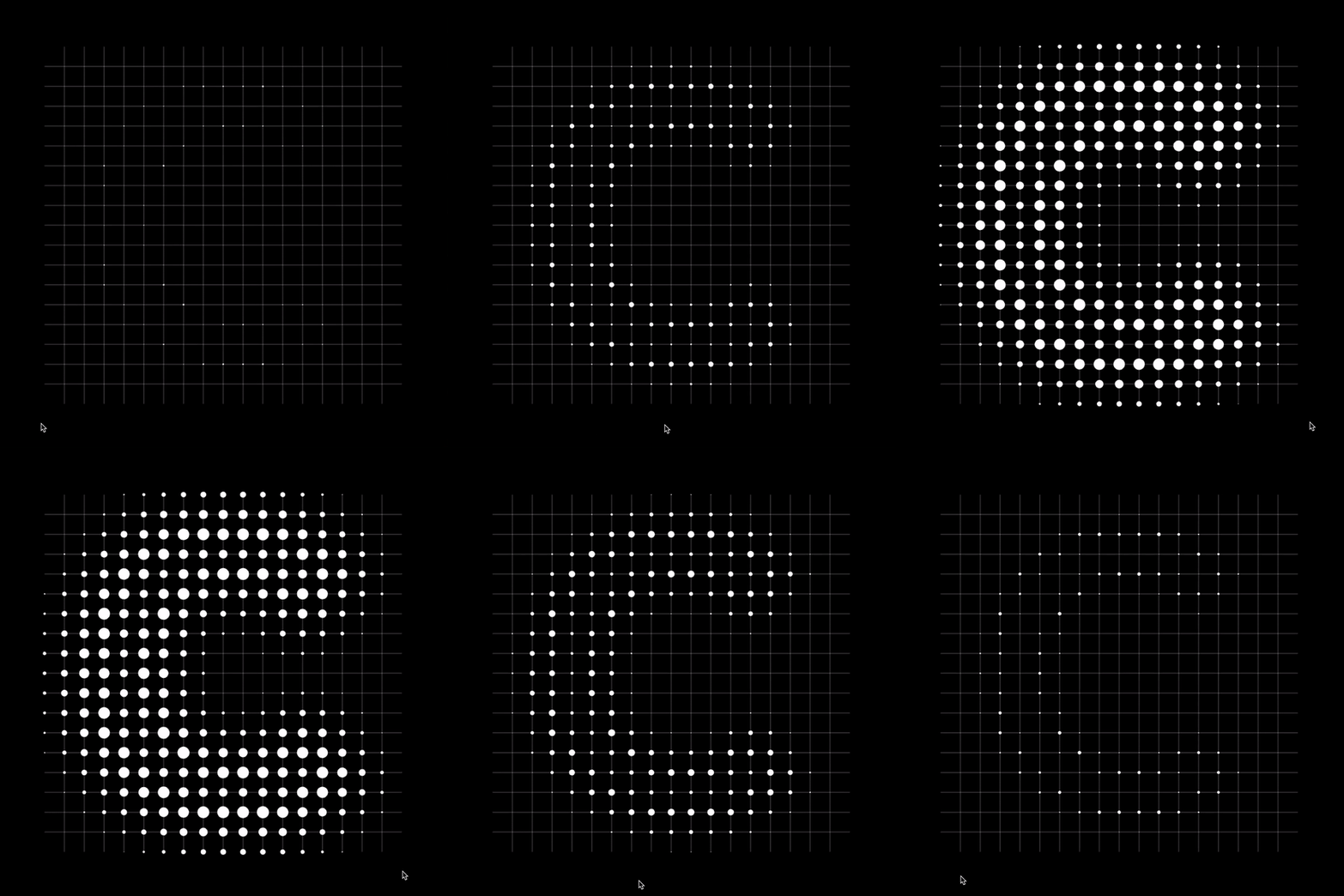
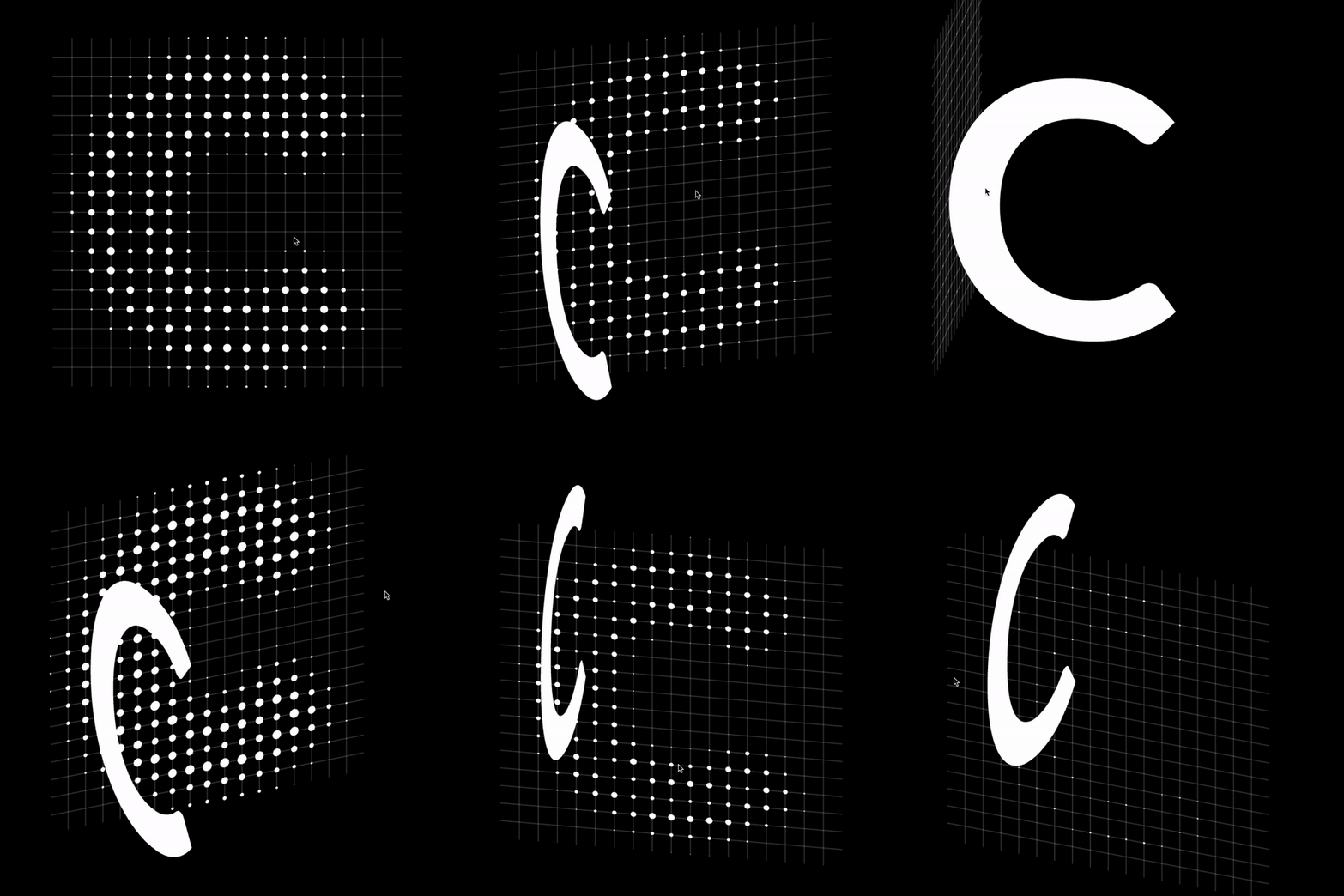
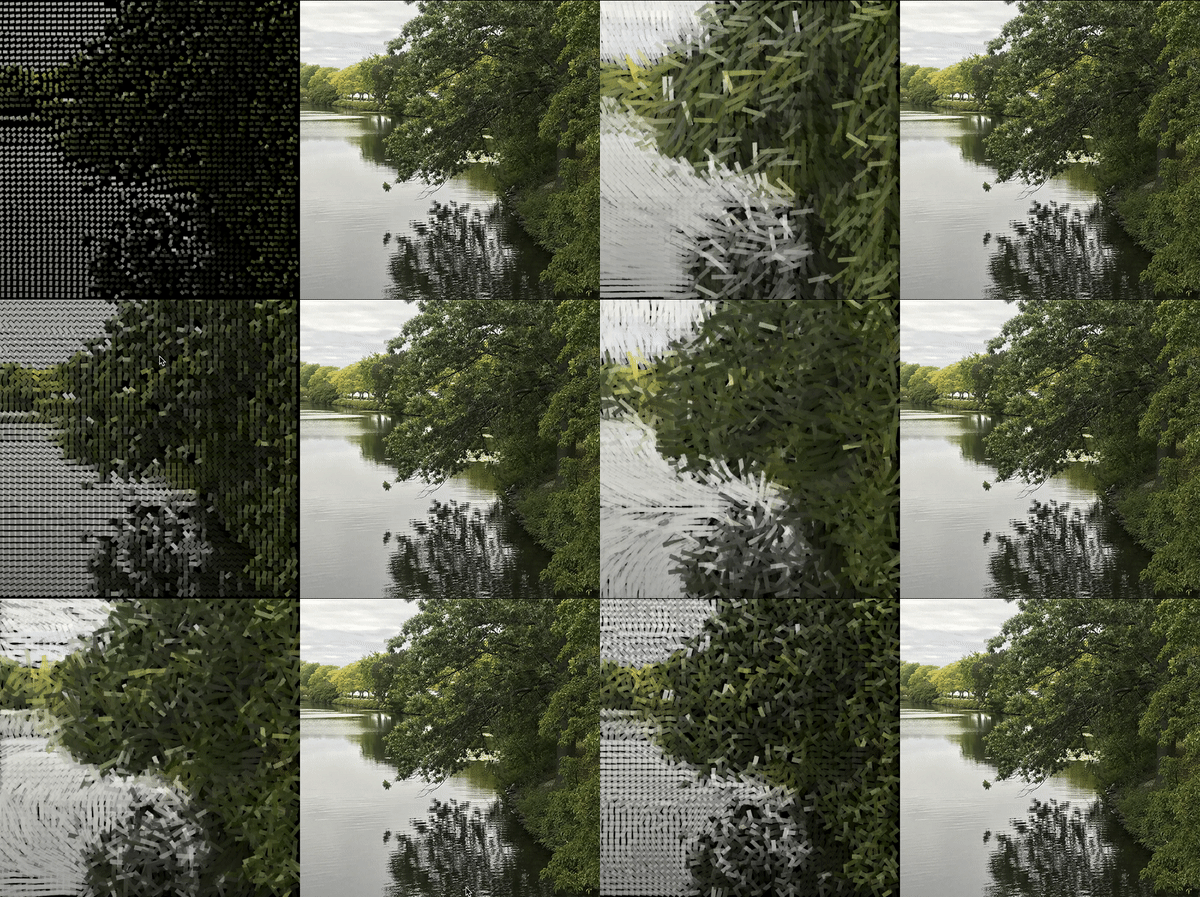
Computational Experiments main study one
Computational Experiments main study two
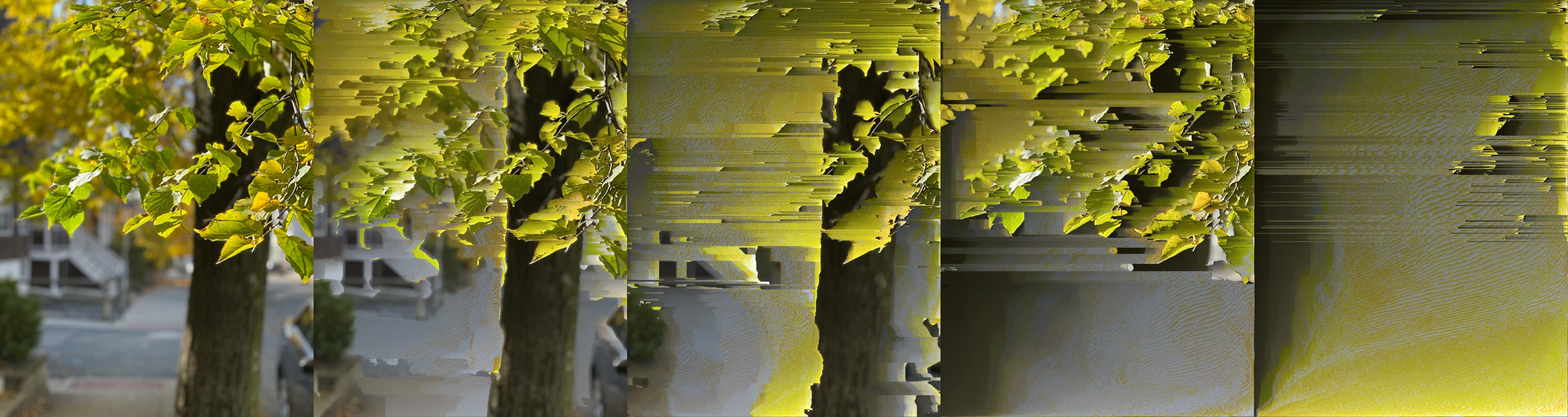
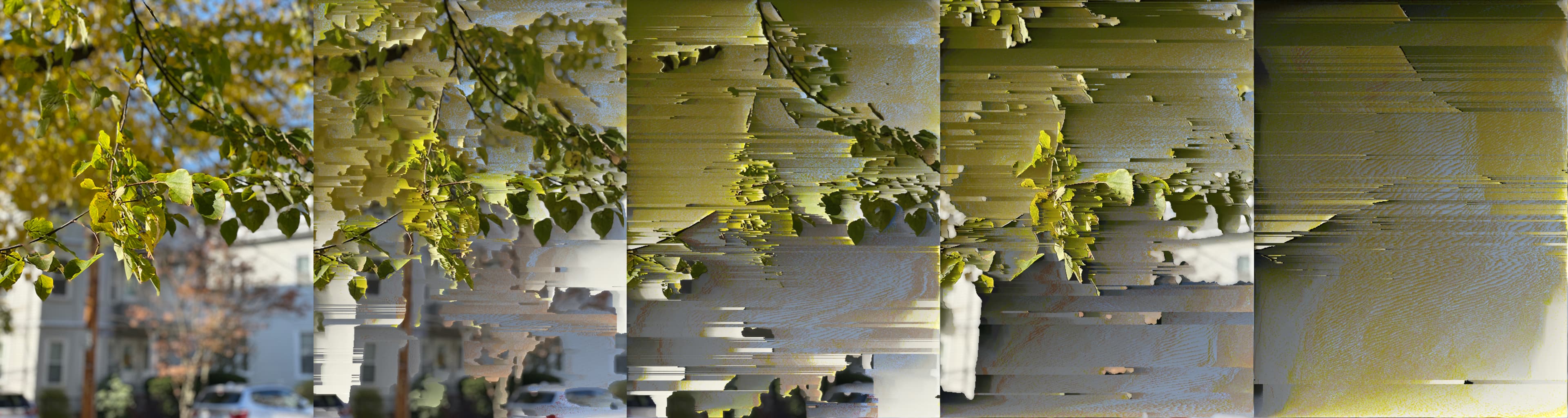
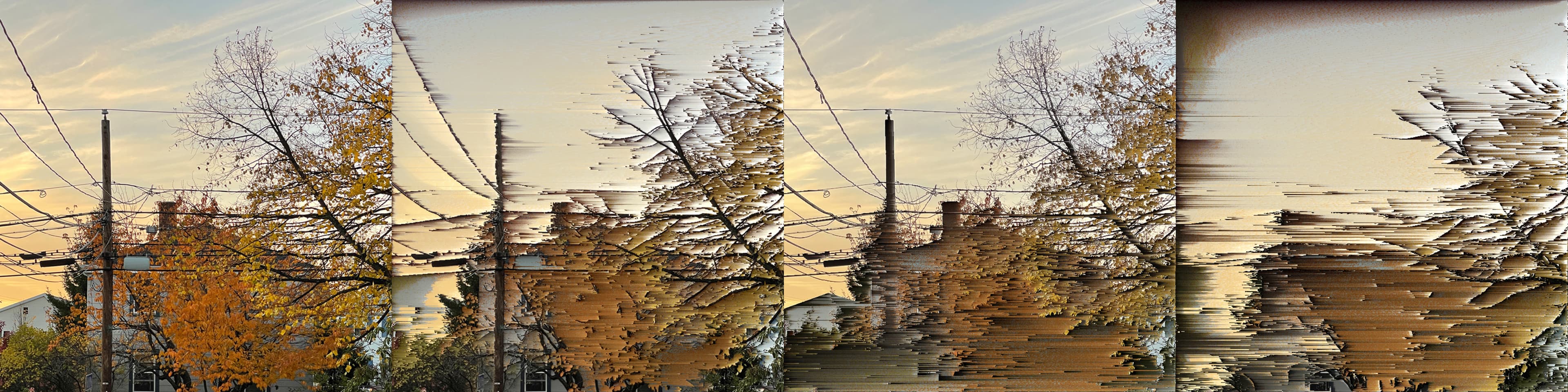
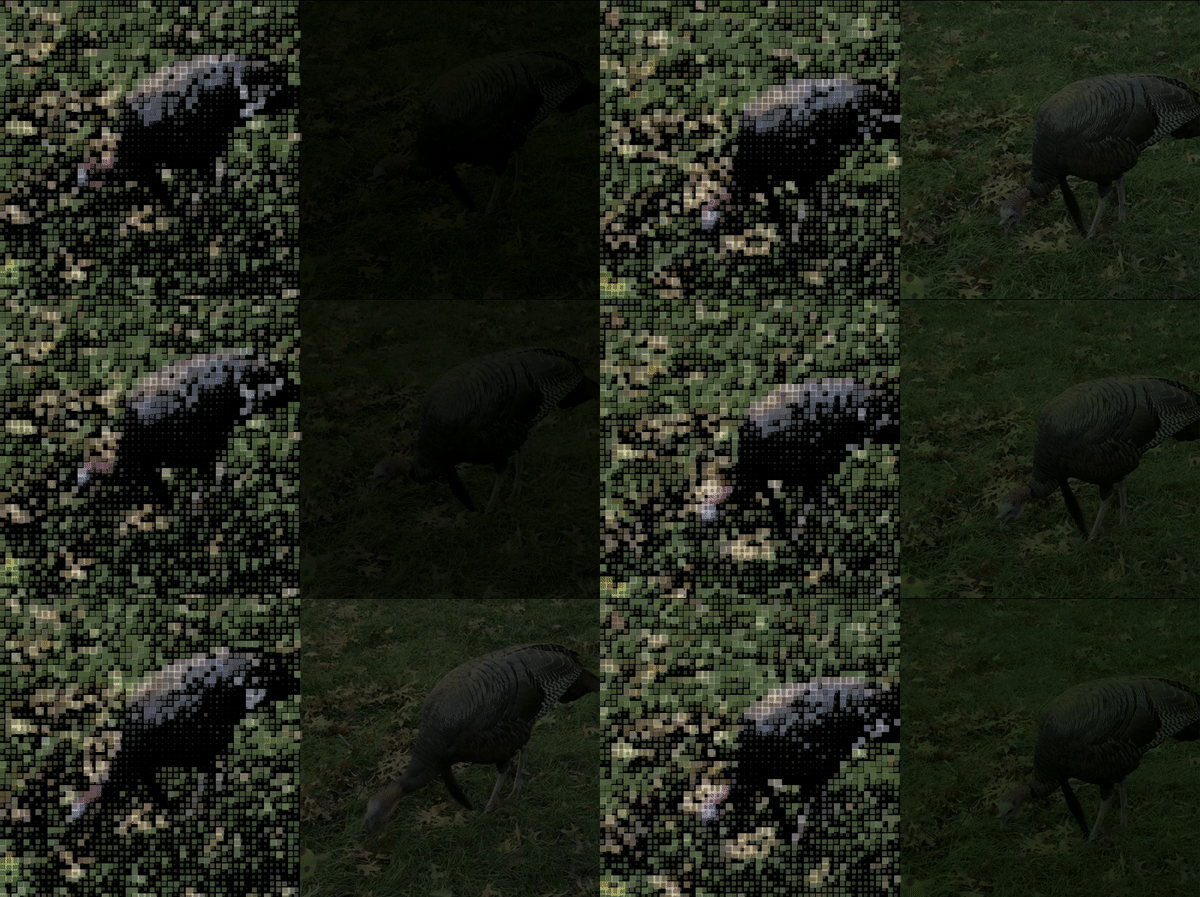
Computational Experiments glitch image study one
Computational Experiments glitch image study two
Computational Experiments glitch image study three
Computational Experiments recreation video study one
Computational Experiments recreation video study two
Computational Experiments recreation video study three
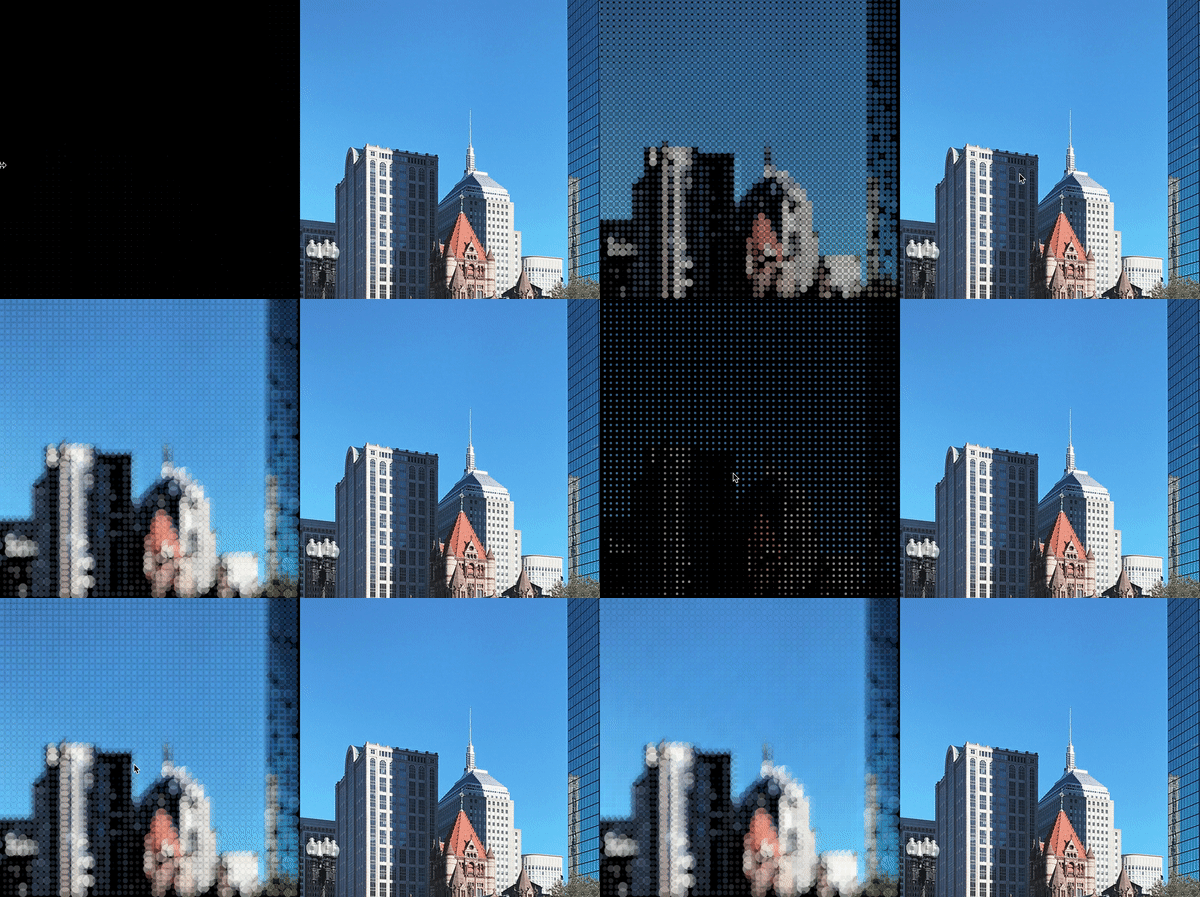
Computational Experiments recreation image study one
Computational Experiments recreation image study two
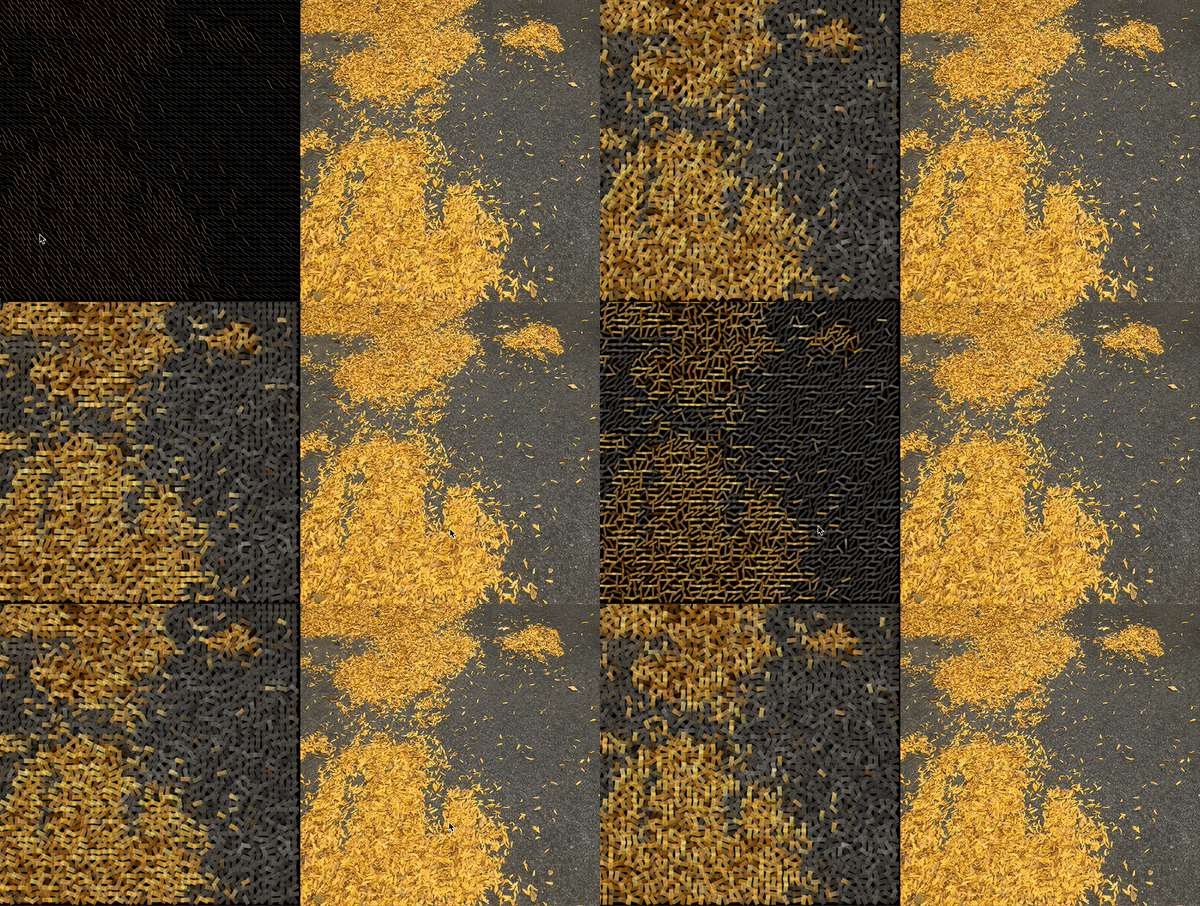
Computational Experiments recreation image study three
Computational Experiments recreation image study four
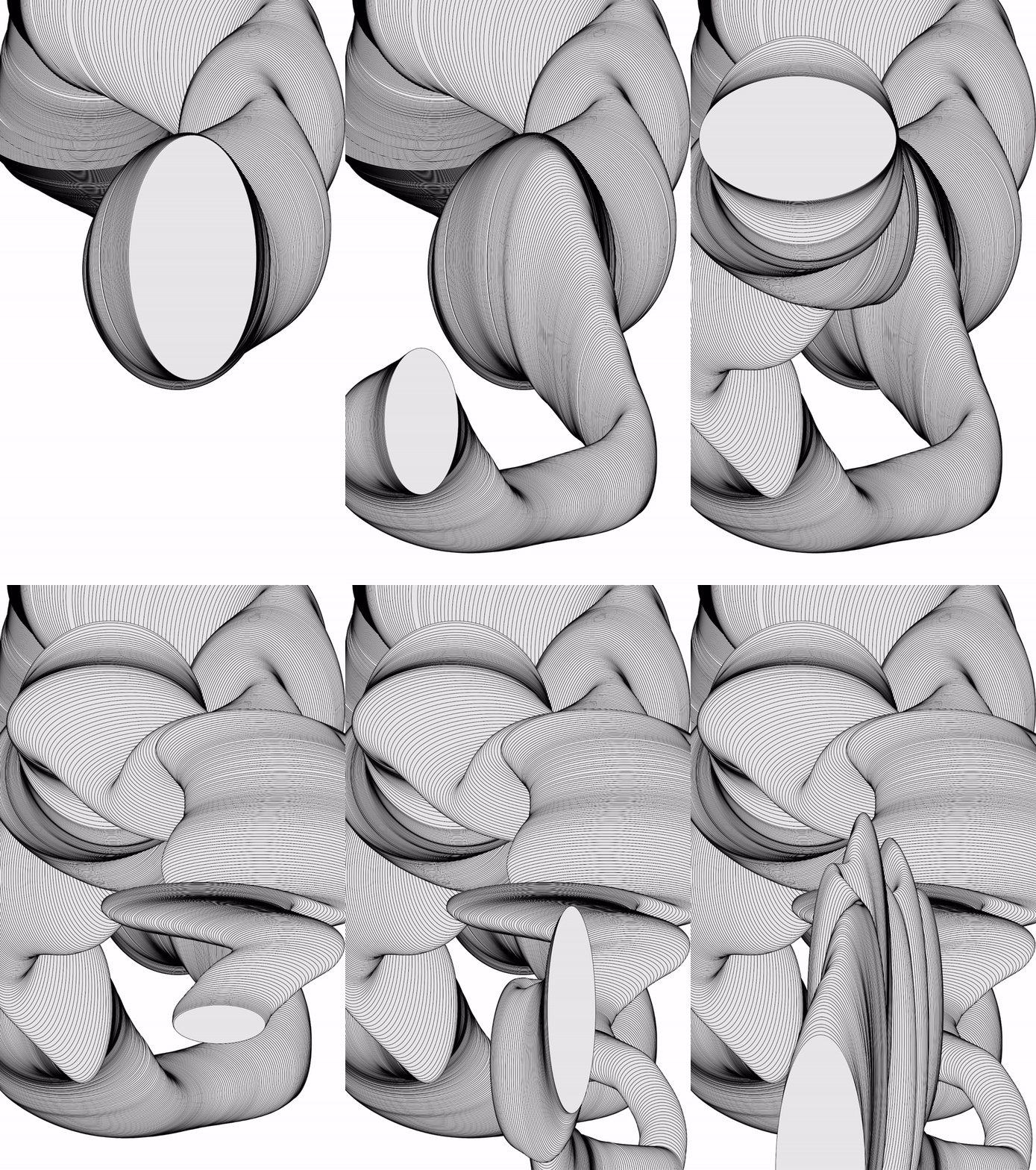
Computational Experiments movement study

Computational Experiments

Computational StudyInteraction Art

A set of visual studies built with openFrameworks and C++, exploring glitch effects, mouse-driven interaction, and code-generated graphic transformations.

Role

Individual project: creative coding, visual research, and interaction prototyping

Project Name

Computational Experiments

Timeline

2020

Built with

Programming language: C++ / Framework: openFrameworks

Deliverables

Glitch image studies, mouse interaction studies, motion experiments, and generative graphic tests

Personal Curiosity

  • I started from a personal curiosity about what happens when programming becomes a visual medium.
  • Rather than beginning with a defined user problem, I wanted to study the relationship between code, input, image data, and the visual results they produce.

Exploration Context

  • Using openFrameworks and C++, I treated photographs, mouse movement, and real-time graphic parameters as materials for visual research.
  • The work moved through short experiments: adding glitch effects to images, changing graphics through interaction, and observing how small changes in code could create unexpected visual behavior.

Experiments

  • Manipulated image data to generate glitch effects and distorted photographic textures.
  • Built mouse-driven sketches where movement changed form, rhythm, color, or composition in real time.
  • Iterated through still images, animated loops, and interactive sketches to compare how different code structures shaped the final visual output.

What I Learned

  • Programming can act as a way of seeing: changing a parameter, input, or algorithm can reveal visual possibilities that are difficult to plan manually.
  • The experiments helped me understand code as a bridge between interaction, motion, and graphic form.
Previous
Next